Cannabis edibles and kids. Cannabis edibles can offer adults a convenient alternative to smoking or vaping, but they present a unique safety concern in homes where children live or visit.
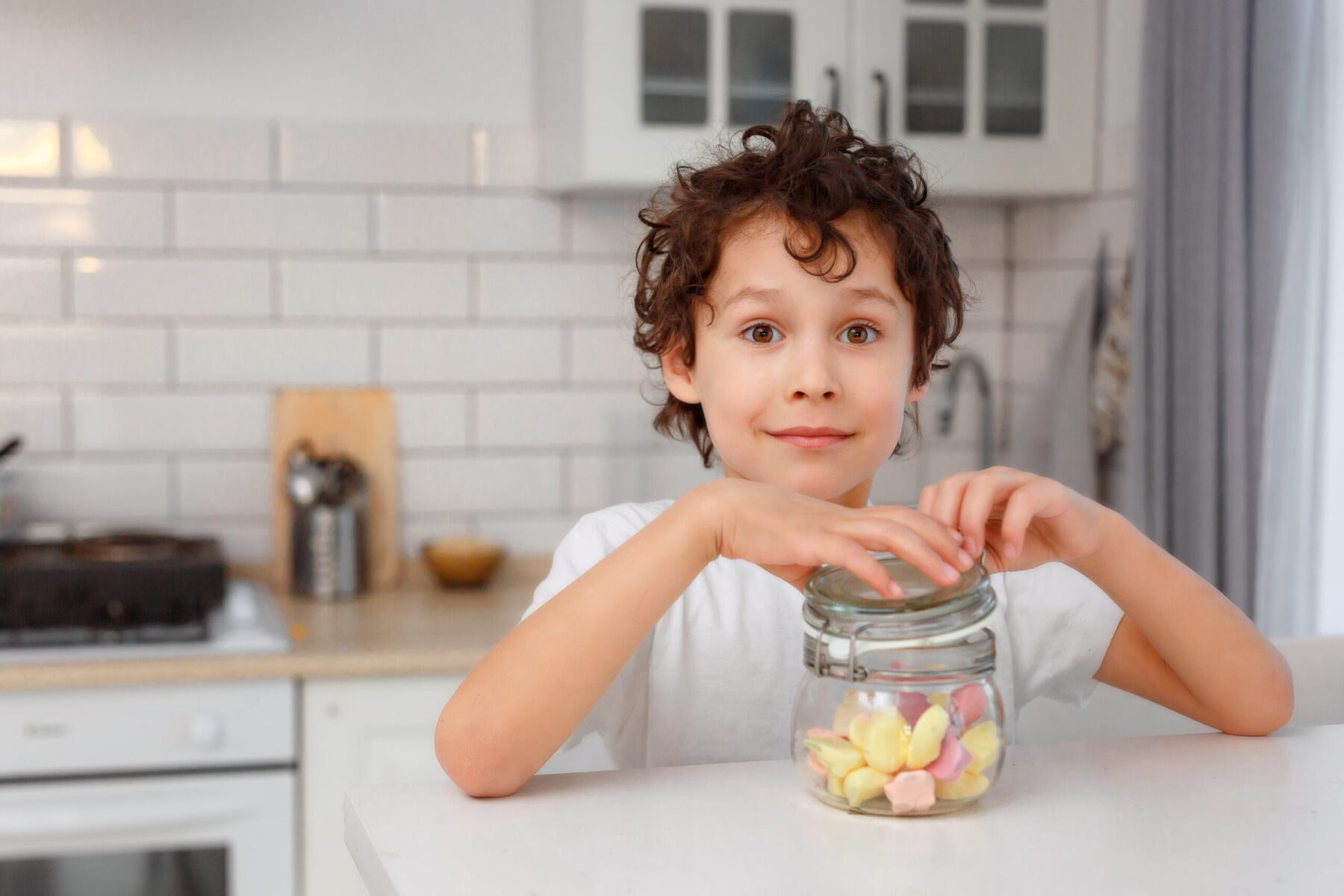
THC gummies, chocolates, cookies, brownies, and cannabis-infused beverages can look remarkably similar to ordinary foods and candy. A young child may have no way of knowing that the colorful gummy on the counter is very different from the fruit snacks in the pantry.
That makes safe storage of cannabis edibles especially important for parents, grandparents, and anyone whose home is regularly visited by children.
Recent research underscores just how important those precautions have become. A study highlighted in a September 2026 KTBS/CNN report examined accidental recreational drug ingestions reported to U.S. poison centers among children younger than 6 from 2000 through 2024. Researchers identified more than 41,000 cases, with the rate rising by more than 3,300% during the study period. Cannabis products represented 77% of the reported ingestions, and edibles accounted for nearly half of the cannabis cases.
The good news is that many accidental exposures are preventable. If cannabis edibles are kept in a home with children, a few precautions can greatly reduce the chance that a child will mistake a THC product for an ordinary snack.
Young children naturally explore their surroundings by touching, opening, tasting, and putting things in their mouths. Gummies, chocolates and cookies are especially attractive because children already recognize these foods as treats.
The packaging can make matters more confusing. Some cannabis products resemble familiar candies, chips, beverages or baked goods. The American Academy of Pediatrics warns that some THC products can closely resemble ordinary candy packaging, while cannabis warnings or THC symbols may be relatively difficult for a young child to recognize or understand.
Children are also much smaller than adults. An amount of THC intended as one or several adult servings may represent a very large exposure for a toddler or preschooler. The recent research found that nearly half of accidental recreational-drug ingestions occurred among 1- and 2-year-olds, and approximately 96% of the incidents occurred in a home.
Those numbers make home storage one of the most important areas of prevention.
Parents and caregivers should think about cannabis edibles much as they would prescription medication, alcohol or another potentially dangerous substance.
The goal is not simply to put the product somewhere inconvenient. It should be genuinely difficult for a child to find or access.
Here are seven practical precautions:
Keep cannabis edibles locked up. Store THC products in a locked cabinet, lockbox or other secure container that children cannot open. A high shelf alone is not enough; children climb and often reach places adults assume are inaccessible. The CDC recommends keeping cannabis products in a locked, childproof container and out of both the sight and reach of children.
Keep edibles in their original packaging. Never place THC gummies in an ordinary candy bag, cookies in a regular cookie container, or cannabis chocolates alongside conventional sweets. Original packaging helps adults identify exactly what the product contains if an accidental exposure occurs.
Separate cannabis products from ordinary food. Avoid storing THC products next to children’s snacks, candy or desserts. The American Academy of Pediatrics specifically recommends keeping THC-containing products separate from everyday household foods.
Do not leave edibles in purses or backpacks. A purse beside a chair, backpack on the floor, bedside drawer or kitchen cabinet may seem out of the way to an adult but can be easily explored by a curious child.
Avoid consuming candy-like edibles in front of young children. Toddlers learn through imitation. Watching an adult eat what appears to be candy can make the product more attractive to a child later. Poison Control similarly recommends avoiding cannabis use around children.
Account for every product after use. After consuming an edible, immediately return the package to its locked storage location rather than leaving it on a table, counter, or nightstand.
Make the same rules apply to visitors and other caregivers. Grandparents, babysitters, relatives, and guests may bring cannabis products into the home. Parents should make sure anyone staying in or visiting the home understands that cannabis must be securely stored.
Childproofing should not stop at the child’s primary residence. Children frequently spend time at the homes of grandparents, relatives, friends, and babysitters. If cannabis products are present in those homes, they should be secured before the child arrives.
This is particularly important for grandparents or relatives who use medical cannabis. Poison Control has documented cases involving children who accidentally consumed cannabis products belonging to parents, grandparents, babysitters, or family friends.
Before leaving a young child with someone, it can be helpful to ask the same questions you might ask about medications, firearms, alcohol, or swimming pools: Are cannabis products present, and if so, are they locked away?
The effects of cannabis can be substantially different in a young child than in an adult.
Possible symptoms of cannabis poisoning in children include unusual or extreme sleepiness, confusion, vomiting, dizziness, difficulty walking or sitting upright, changes in heart rate, and difficulty breathing. Severe exposures can result in seizures, slowed breathing, loss of consciousness, or coma.
Another concern is that symptoms may not appear immediately. Unlike inhaled cannabis, edibles must move through the digestive system before their effects become apparent. The CDC notes that edible cannabis can take approximately 30 minutes to two hours to produce intoxicating effects, and the effects can last longer than expected. That means a caregiver should not wait for symptoms to appear before seeking advice if a child may have eaten a cannabis edible.
If you know or suspect that a child has swallowed a cannabis edible, contact Poison Control immediately at 1-800-222-1222 in the United States. Poison specialists are available 24 hours a day and can help determine what steps to take based on the product, dose, child’s age, weight, and symptoms. Do not attempt to make the child vomit or rely on a home remedy.
If possible, keep the edible’s original package so healthcare professionals can see the product name, THC concentration, and serving information.
Call 911 immediately if the child cannot be awakened, has difficulty breathing, experiences a seizure, loses consciousness, or develops another potentially life-threatening symptom.
Gummies may be among the easiest cannabis products for children to mistake for ordinary food. They are colorful, sweet, and often sold in shapes and flavors similar to conventional gummy candies. A child who discovers a package may also eat more than one before an adult notices. Packages can contain multiple adult doses. For a small child, consuming several pieces can result in a significant THC exposure.
This is one reason simply telling a child not to touch cannabis products is not an adequate safety strategy. Physical security is more reliable than rules alone, particularly for toddlers and preschool-aged children.
Adults who choose to use legal cannabis have an important responsibility when children are present.
That does not require treating cannabis as something mysterious or frightening. It means recognizing that an adult product can pose a serious poisoning risk if a child mistakes it for food. The same household-safety approach used for prescription medications, alcohol, cleaning chemicals, and other potentially harmful products should apply to cannabis.
Lock it.
Keep it out of sight.
Keep it in its original packaging.
Keep it separate from normal food.
And make sure every adult who brings cannabis into the home understands the rules.
Yes. The effect depends on several factors, including the child’s size, the amount consumed, and the concentration of THC in the product. Because young children weigh much less than adults, even an adult-sized dose can potentially cause significant symptoms. Contact Poison Control at 1-800-222-1222 whenever accidental ingestion is suspected rather than trying to estimate whether the amount was dangerous.
Symptoms may be delayed. Edible cannabis can take 30 minutes to two hours or longer to produce noticeable effects, which is why caregivers should not wait for symptoms before contacting Poison Control.
No. Children can climb and may eventually reach areas adults consider inaccessible. Experts recommend storing cannabis in a locked location, not merely somewhere high.
If refrigeration is required, they should still be secured in a locked or child-resistant container and clearly separated from ordinary food whenever possible. They should never be placed in an ordinary candy, snack, or food container.
In the United States, call Poison Control at 1-800-222-1222. Call 911 for severe symptoms such as difficulty breathing, seizures, unconsciousness, or inability to wake the child.
The increased availability of cannabis edibles means parents and caregivers need to think about cannabis safety before an emergency occurs.
The recent rise in accidental childhood exposures does not mean families need to panic. It does mean adults should recognize that gummies, chocolates, cookies, and cannabis beverages can look remarkably ordinary to a child.
A locked container, original packaging, and consistent household rules can help prevent a curious moment from becoming a trip to the emergency room.
If a child may have consumed cannabis, contact Poison Control immediately at 1-800-222-1222. In a medical emergency, call 911.
This article is intended for educational purposes and does not replace individualized medical advice.